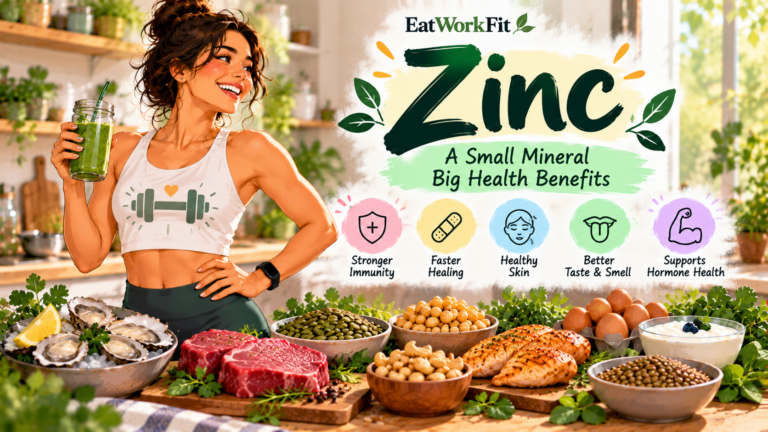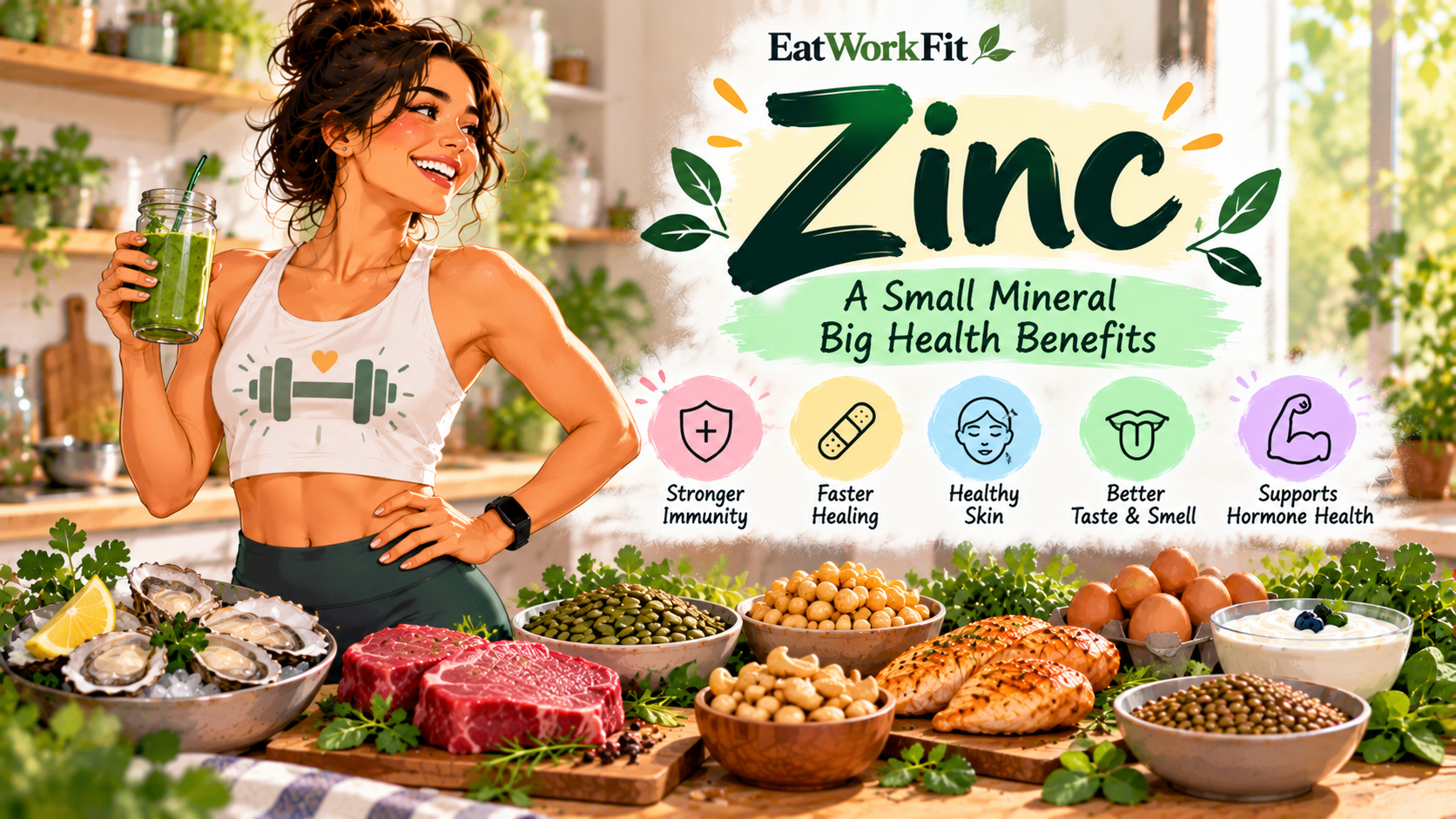
Discover the benefits of zinc, common deficiency symptoms, and the best zinc-rich foods to support immunity, skin health, wound healing, and overall wellness.
When cold season arrives, vitamin C gets all the attention. Zinc, a trace mineral your immune system depends on far more directly, gets a fraction of the credit. You need it in tiny amounts, but those amounts matter: zinc is involved in over 300 enzymes and supports immune defense, wound healing, taste and smell, skin health, and hormone function. Because the body has no dedicated storage system for it, you need a steady supply from food every day.
What Zinc Does in Your Body
Immune function. Zinc is needed to develop and activate immune cells, including T cells, neutrophils, and natural killer cells. Even mild deficiency can weaken the body’s ability to respond to infection.
Wound healing and skin health. Zinc supports cell division and collagen formation, which is why slow-healing cuts and stubborn skin problems can be a sign of low levels.
Taste and smell. Zinc is required for the proteins that detect taste and smell. A dulled sense of either can point to a shortfall.
DNA and protein synthesis. Every dividing cell relies on zinc, which makes it especially important during growth, pregnancy, and recovery from illness or injury.
Hormone and reproductive health. Zinc plays a role in testosterone production, sperm quality, and the menstrual cycle.
Antioxidant defense. It’s part of an enzyme (superoxide dismutase) that helps neutralize damaging free radicals.
Who Is Most at Risk of Low Zinc
Vegetarians and vegans. Plant foods contain zinc, but they also contain phytates, compounds in grains, legumes, nuts, and seeds that bind zinc and reduce absorption. Vegetarians may need up to 50% more than the standard recommendation.
Older adults. Appetite, food variety, and absorption often decline with age.
People with digestive conditions. Crohn’s disease, ulcerative colitis, celiac disease, and chronic diarrhea can all reduce absorption or increase losses.
Pregnant and breastfeeding women. Needs rise to support the baby’s growth.
People who drink heavily. Alcohol reduces absorption and increases zinc loss through urine.
Those with a highly restricted or low-protein diet, where intake of zinc-rich foods is minimal.
Signs You May Not Be Getting Enough
- Frequent colds or infections that take long to clear
- Slow-healing wounds
- Hair thinning or loss
- Reduced sense of taste or smell
- Loss of appetite
- Persistent diarrhea
- Skin rashes or acne-like breakouts
- Low energy and poor concentration
These symptoms overlap with many other conditions, so they are reasons to review your diet and speak with a healthcare provider rather than a diagnosis. Blood zinc tests exist but are an imperfect measure of overall status, so interpretation matters.
How Much Zinc Do You Need?
The recommended daily amounts for adults are about 11 mg for men and 8 mg for women, rising to roughly 11 mg during pregnancy and 12 mg while breastfeeding. The tolerable upper limit for adults is 40 mg per day from all sources, and staying below it matters, as explained below.
Best Food Sources of Zinc
| Food | Approx. Zinc |
|---|---|
| Oysters (6 medium, cooked) | 30+ mg |
| Beef chuck roast (3 oz, cooked) | ~7 mg |
| Crab (3 oz, cooked) | ~6 mg |
| Pumpkin seeds (1 oz) | ~2.2 mg |
| Chicken thigh (3 oz, cooked) | ~2.4 mg |
| Yogurt, plain (1 cup) | ~1.5-2 mg |
| Cashews (1 oz) | ~1.6 mg |
| Chickpeas, cooked (1/2 cup) | ~1.3 mg |
| Lentils, cooked (1/2 cup) | ~1.3 mg |
| Milk (1 cup) | ~1 mg |
| Egg (1 large) | ~0.6 mg |
Values vary by cut, brand, and preparation. Fortified breakfast cereals can also supply a significant amount, so check labels.
Improving Zinc Absorption From Plant Foods
If you rely mostly on plant sources, a few kitchen habits help reduce the effect of phytates:
- Soak beans, lentils, and grains before cooking, and discard the soaking water
- Sprout seeds, beans, and grains where practical
- Choose fermented or leavened foods such as sourdough bread, tempeh, and miso, since fermentation breaks down some phytates
- Combine zinc-rich plants with protein, since certain amino acids support absorption
- Eat a variety across the day rather than depending on one source
Does Zinc Help With Colds?
This is the question most people have, and the honest answer is: possibly, in specific circumstances.
- Lozenges or syrup taken soon after symptoms start. Several reviews suggest zinc may shorten the duration of a cold if started within about 24 hours of the first symptoms, though results vary between studies and depend on the dose and formulation used.
- Preventing colds. The evidence that daily zinc supplements prevent colds in well-nourished people is weaker.
- Side effects. Zinc lozenges commonly cause nausea and a metallic taste, and taking them for long periods isn’t advised.
- Avoid zinc nasal sprays and gels. Intranasal zinc products have been linked to a lasting loss of the sense of smell, and regulators have warned against them.
Zinc isn’t a cure, and it works best as one part of a broader approach that includes sleep, nutrition, and rest.
Can You Get Too Much Zinc?
Yes. Zinc is a case where more is not better.
Short-term high doses can cause nausea, vomiting, stomach cramps, and diarrhea.
Long-term high intake, typically from supplements above the 40 mg upper limit, can interfere with copper absorption and lead to copper deficiency, which can cause anemia and nerve problems. It can also reduce immune function, the opposite of what people usually want.
Because of this, it’s best to stay at or below the upper limit unless a doctor has recommended otherwise.
Choosing and Taking a Supplement
If your diet is limited or a healthcare provider confirms a need, a supplement can help. Some practical points:
- Common forms include zinc gluconate, citrate, picolinate, and bisglycinate. Zinc oxide is cheaper but generally absorbed less well.
- Check the elemental zinc content, not just the total compound weight on the label.
- Take it with food if it upsets your stomach.
- Separate it from iron and calcium supplements, which can compete for absorption.
- Mind medication interactions. Zinc can reduce the absorption of certain antibiotics (such as quinolones and tetracyclines), so ask a pharmacist about timing.
- Use a modest dose that fits your needs rather than a high-dose product by default.
Practical Ways to Get Enough Zinc Daily
- Include a zinc-rich protein most days: meat, poultry, seafood, eggs, or dairy
- Add pumpkin seeds, cashews, or chickpeas to salads, snacks, and meals
- Prepare grains and legumes thoughtfully by soaking, sprouting, or fermenting
- Pair plant sources with variety so you’re not relying on a single food
- Limit heavy alcohol use, which depletes zinc
- Ask about testing and supplementation if you’re at higher risk or have persistent symptoms
The Bottom Line
Zinc rarely makes headlines, yet your immune defenses, wound healing, and senses of taste and smell all depend on it. Most people can meet their needs through food, but vegetarians, older adults, and those with digestive conditions are more likely to fall short. Focus on zinc-rich foods, use preparation tricks to boost absorption from plants, and treat supplements as a measured tool rather than something to take in large doses. A mineral needed in such small amounts deserves a place on your plate every day.
About the Author