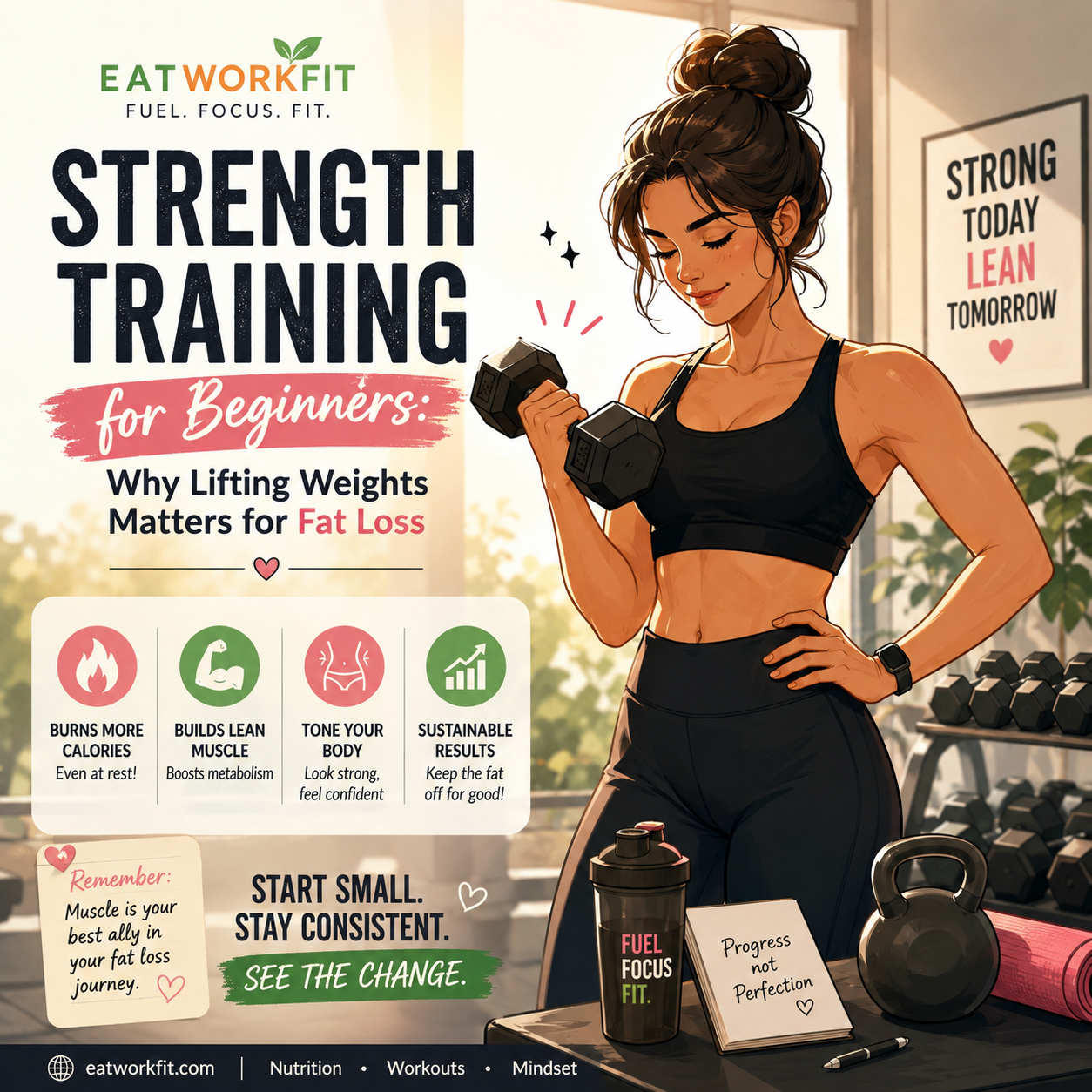
Strength training helps beginners build lean muscle, increase metabolism, and burn more calories—even at rest—making it one of the most effective strategies for sustainable fat loss.
If your fitness routine has been all treadmill and no dumbbells, you’re leaving a lot of progress on the table. Strength training is often treated as an optional extra — something bodybuilders do, not something the average person trying to lose fat needs. That thinking is outdated. Building muscle is one of the most effective, science-backed ways to change your body composition, boost your metabolism, and keep weight off for good.
This guide breaks down why lifting matters, how it compares to cardio for fat loss, and exactly how to start — even if you’ve never touched a weight in your life.
Why Strength Training Matters for Fat Loss
1. Muscle burns more calories at rest than fat does. Every pound of muscle you carry increases your resting metabolic rate. This means the more muscle you build, the more calories your body burns just to keep you alive — even while you’re sitting on the couch.
2. It creates the “afterburn” effect. Strength training triggers excess post-exercise oxygen consumption (EPOC), meaning your body continues burning calories at an elevated rate for hours after your workout ends. Steady-state cardio typically doesn’t produce the same lasting effect.
3. It protects muscle during weight loss. When you lose weight through diet alone, a significant portion of what you lose can be muscle, not just fat. Strength training signals your body to preserve lean tissue while pulling more of the deficit from fat stores.
4. It reshapes your body, not just shrinks it. Cardio-only weight loss often leaves people “skinny fat” — lighter on the scale but soft in appearance. Lifting builds shape and definition, which is usually what people actually picture when they imagine being “fit.”
5. It improves long-term health markers. Beyond aesthetics, resistance training improves bone density, insulin sensitivity, joint stability, and functional strength — all of which matter more as you age.
Common Myths That Keep Beginners Away
- – “Lifting weights will make me bulky.” Building significant muscle mass takes years of dedicated training and a calorie surplus. For most people, especially in a fat-loss phase, lifting creates a toned, defined look — not bulk.
- – “Cardio is better for fat loss.” Cardio burns more calories during the session, but strength training burns more over time through muscle retention and the afterburn effect. The best results come from combining both.
- – “I need a gym membership and fancy equipment.” Bodyweight exercises, resistance bands, and a pair of adjustable dumbbells are enough to build real strength at home.
A Beginner-Friendly Strength Training Plan
Start with 2-3 sessions per week, focusing on full-body workouts that hit all your major muscle groups. Rest at least one day between sessions to let muscles recover.
Sample Full-Body Routine (repeat 3x/week):
| Exercise | Sets | Reps |
|---|---|---|
| Squats (bodyweight or goblet) | 3 | 10-12 |
| Push-ups (knee or standard) | 3 | 8-12 |
| Dumbbell rows | 3 | 10-12 |
| Glute bridges | 3 | 12-15 |
| Plank | 3 | 30-45 sec |
| Standing shoulder press | 3 | 10-12 |
Rest 60-90 seconds between sets. Focus on controlled form over heavy weight in your first few weeks — your nervous system needs time to learn the movement patterns before you add significant load.
How to Progress Safely
1. Master bodyweight movements first. If you can’t do a proper bodyweight squat with good form, adding weight will only reinforce bad habits.
2. Increase load gradually. Once a weight feels easy for all your reps and sets, increase it by the smallest available increment — usually 2.5-5 lbs.
3. Track your workouts. Write down weights, sets, and reps. Progressive overload — doing slightly more over time — is what actually builds muscle and strength.
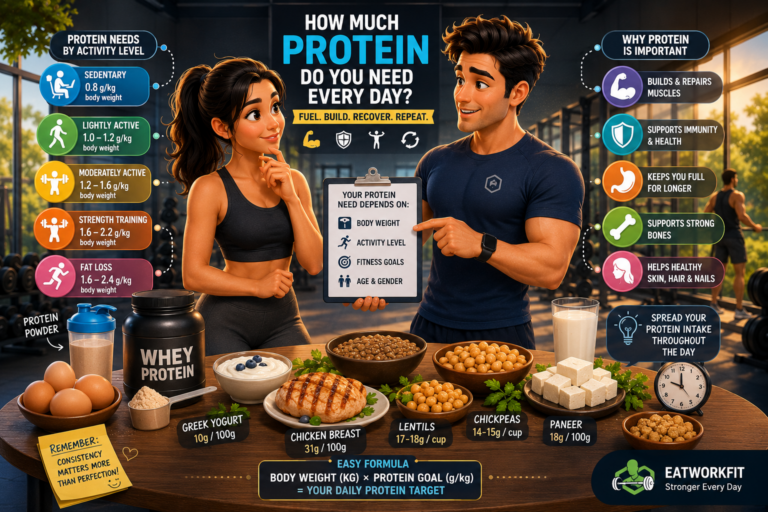
4. Prioritize recovery. Muscles grow during rest, not during the workout itself. Make sure you’re sleeping enough and eating adequate protein (aim for roughly 0.7-1g per pound of body weight).
5. Don’t skip warm-ups. Five minutes of light cardio and dynamic stretching reduces injury risk significantly.
Nutrition to Support Strength Training
Lifting weights without adequate protein intake limits your results. Prioritize:
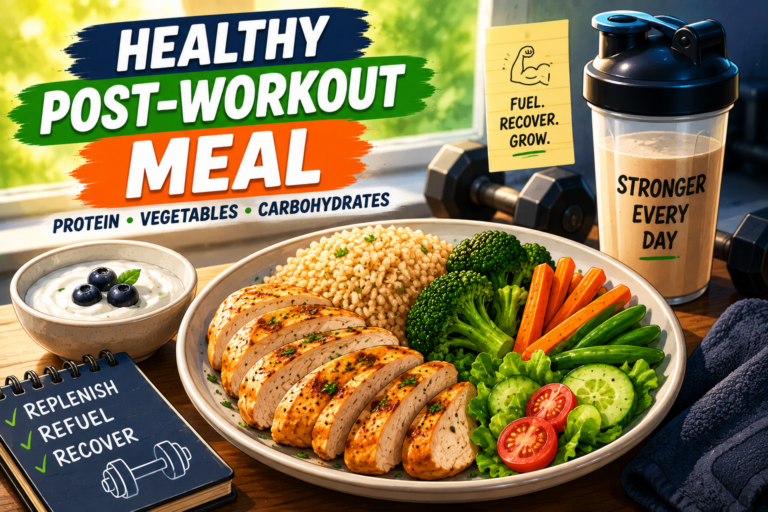
- * Protein at each meal — eggs, chicken, Greek yogurt, lentils, paneer, tofu
- * Enough total calories — an aggressive deficit while strength training can hinder muscle retention
- * Hydration — muscles are roughly 75% water, and dehydration impairs performance and recovery
The Bottom Line
Strength training isn’t just for people chasing a bodybuilder physique — it’s one of the most efficient tools available for fat loss, metabolic health, and long-term body composition change. Pair it with a reasonable calorie deficit and consistent protein intake, and you’ll see results cardio alone can’t deliver. Start small, focus on form, and let progressive overload do the rest.
About the Author