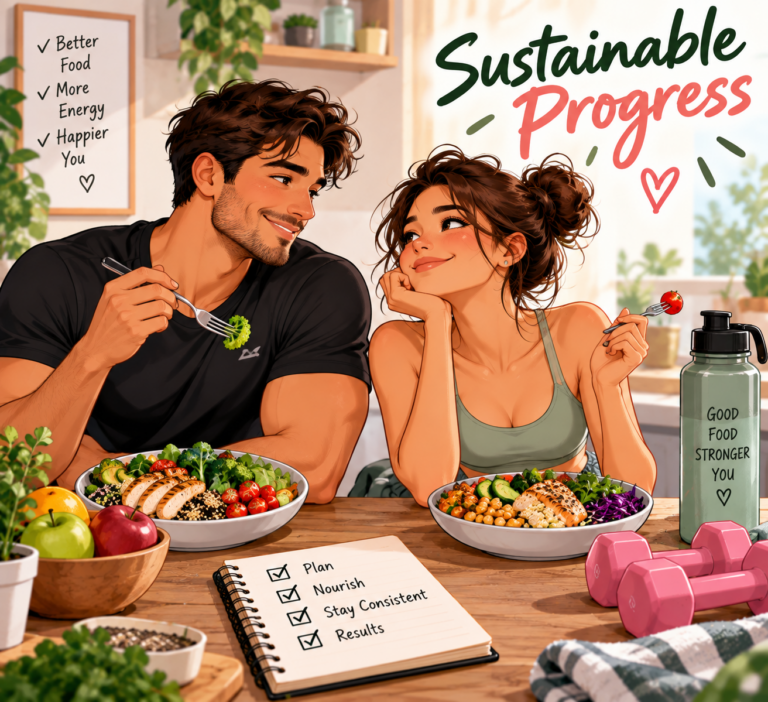
Have you ever finished your breakfast or lunch only to feel hungry again within a couple of hours? If yes, you are not alone. Most of us experience hunger between meals, especially on busy workdays or after a workout. Unfortunately, this is also the time when we often reach for biscuits, chips, chocolates, or sugary drinks because they are quick and easily available.
I used to think that snacking was unhealthy and that it would only lead to weight gain. However, I later realised that it is not snacking that causes the problem—it is choosing the wrong snacks. In fact, healthy snacking can help keep your energy levels stable, prevent overeating during your next meal, and support your overall fitness goals.
So, let us understand how to snack smart.
1. Why Do We Feel Hungry Between Meals?
Feeling hungry between meals is completely normal. Your body constantly needs energy to perform daily activities, whether you are working, studying, exercising, or simply going about your routine.
Sometimes hunger can occur because:
- – Your previous meal did not contain enough protein or fibre.
- – There is a long gap between meals.
- – You have been physically active.
- – You are not drinking enough water.
- – You are eating out of boredom or stress rather than actual hunger.
Learning to recognise the difference between real hunger and emotional eating can help you make healthier choices.
2. Choose Snacks That Keep You Full
The best snacks are those that provide a combination of protein, fibre, and healthy fats. These nutrients digest slowly and help you stay satisfied for longer.
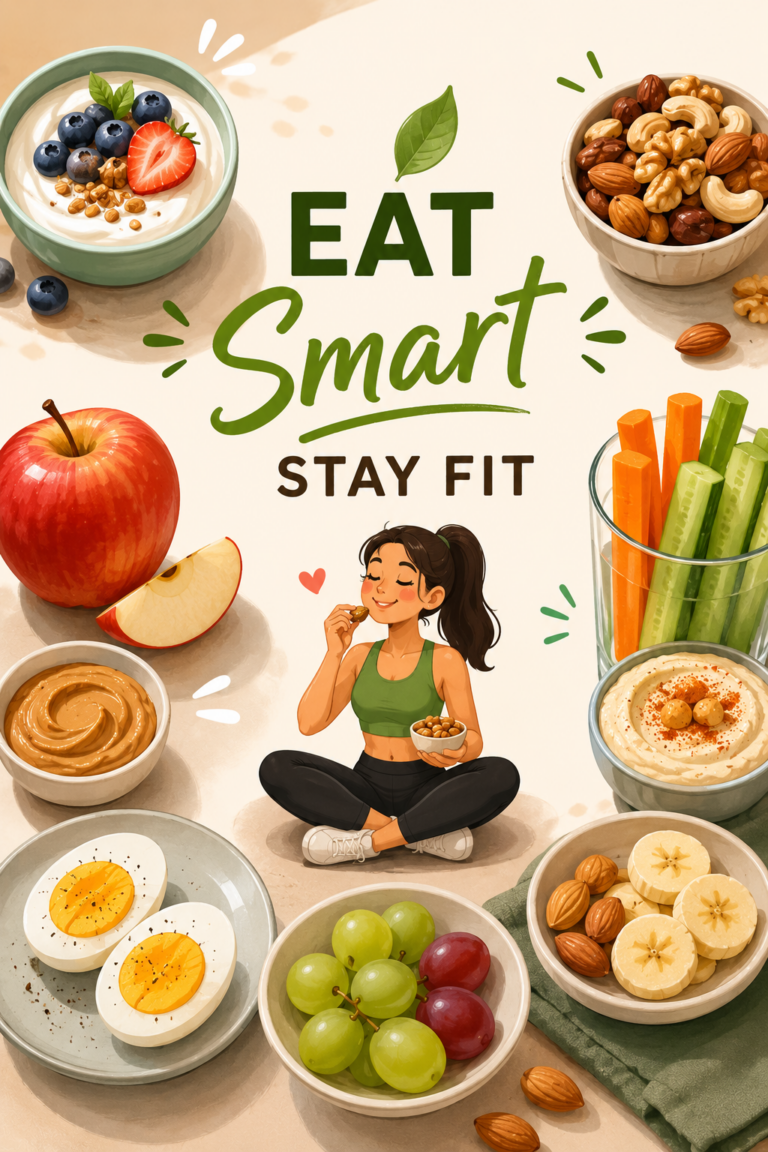
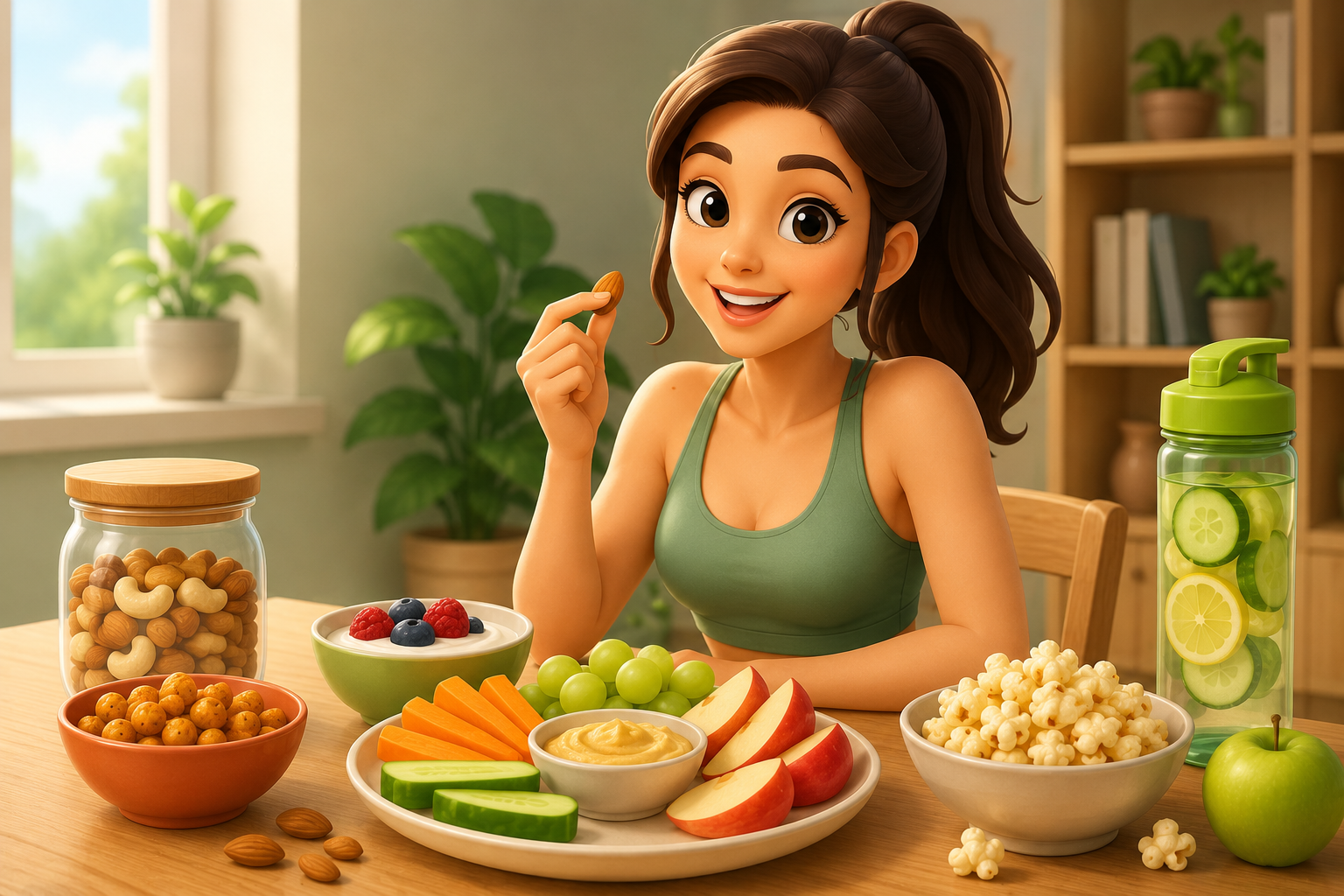
Some healthy snack options include:
- – A handful of almonds or walnuts.
- – Greek yogurt with fresh fruits.
- – Boiled eggs.
- – Apple slices with peanut butter.
- – Roasted chickpeas.
- – Cottage cheese with cucumber.
- – Homemade trail mix without added sugar.
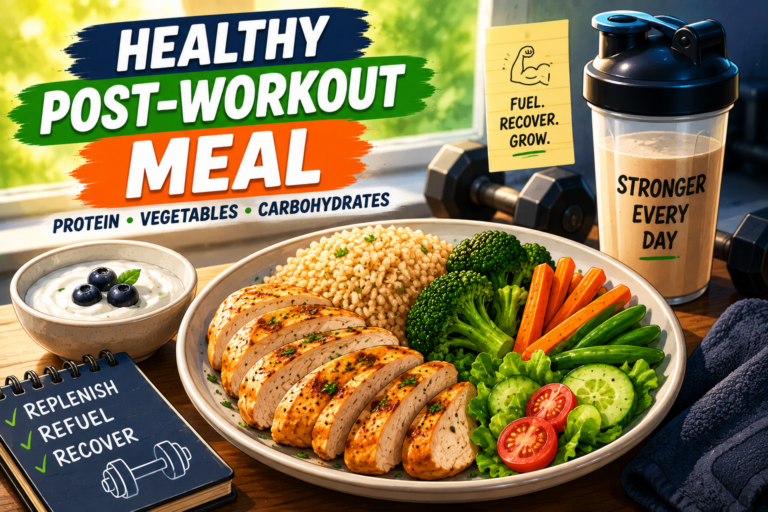
- – Protein smoothie after a workout.
These snacks not only satisfy hunger but also provide important nutrients your body needs.
3. Avoid Highly Processed Snacks
Many packaged snacks are high in sugar, unhealthy fats, and refined carbohydrates. Although they may satisfy your cravings for a short time, they often leave you feeling hungry again soon afterwards.
Instead of:
- – Chips
- – Cookies
- – Cakes
- – Sugary drinks
- – Candy
Try choosing fresh, whole foods whenever possible. Your body will thank you for it.
4. Portion Size Still Matters
Even healthy foods should be eaten in moderation.
For example, nuts are packed with healthy fats and nutrients, but they are also calorie-dense. Eating an entire packet while watching television can easily add extra calories without you even realising it.
Preparing your snacks in small bowls or containers can help you avoid mindless eating.
5. Stay Hydrated
Sometimes what feels like hunger is actually thirst.
Before reaching for a snack, try drinking a glass of water and wait for a few minutes. If you are still hungry afterwards, then enjoy a healthy snack.
Staying hydrated throughout the day also supports digestion, improves concentration, and helps maintain energy levels.
Plan Your Snacks in Advance
One of the easiest ways to avoid unhealthy choices is to plan ahead.
If you know you will have a busy day, carry healthy snacks with you. Keeping nutritious options at your desk, in your bag, or in your car makes it much easier to resist fast food or vending machine snacks.
A little preparation can go a long way in helping you stay on track with your health goals.
Final Thoughts
Healthy snacking is not something you should fear. In fact, choosing the right snacks at the right time can help improve your nutrition, reduce cravings, maintain steady energy levels, and prevent overeating during meals.
The goal is not to avoid snacks completely but to make smarter choices that nourish your body instead of simply satisfying temporary cravings.
Remember, every healthy choice you make throughout the day contributes to your long-term well-being. Start by replacing just one unhealthy snack with a healthier alternative, and you will be surprised at how quickly small habits turn into lasting lifestyle changes.
To learn more about healthy eating, balanced nutrition, and simple fitness tips, keep visiting EatWorkFit and continue building habits that support a healthier, happier life.
About the Author