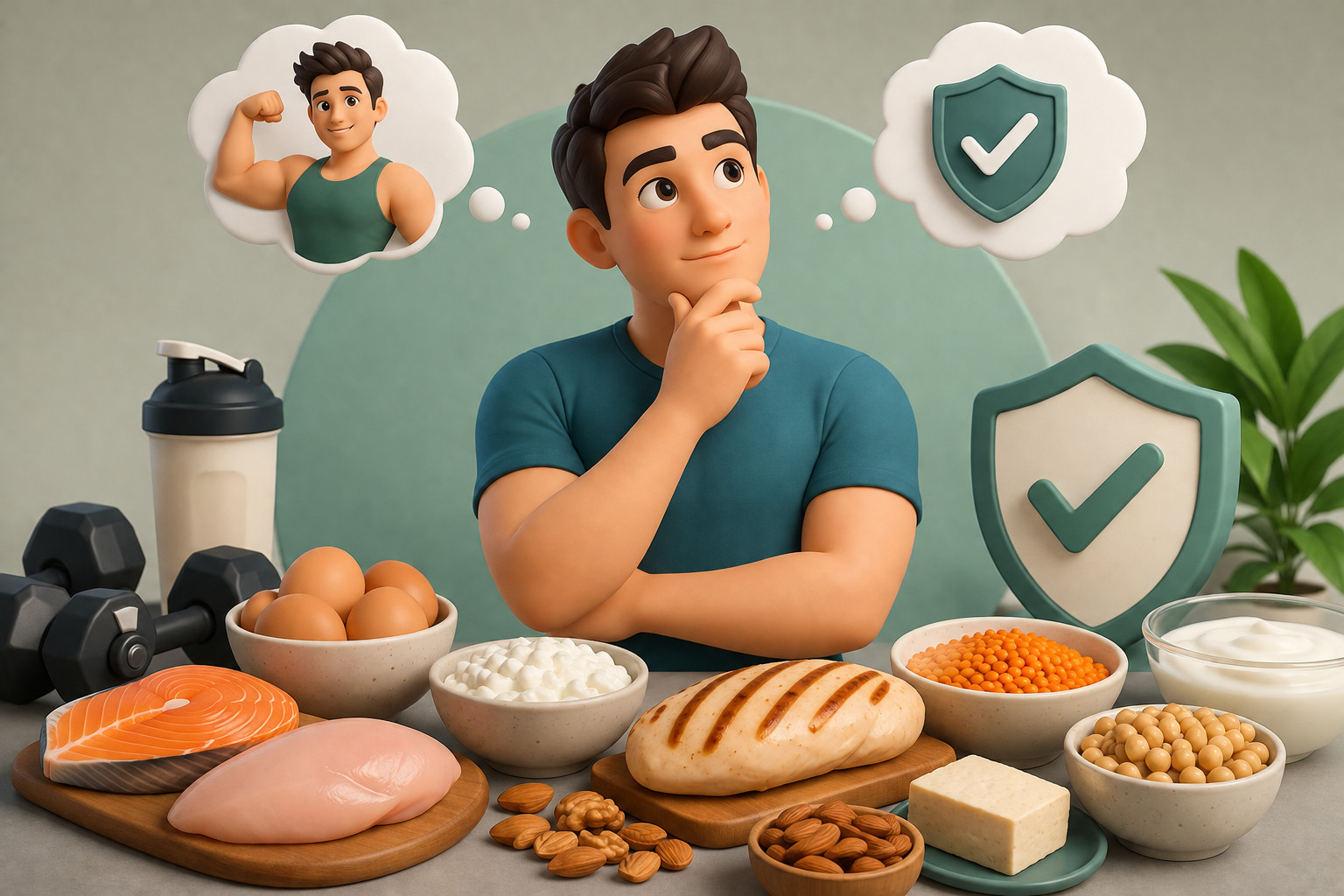
A balanced high-protein diet can support muscle maintenance, recovery, and satiety when combined with nutritious foods and healthy lifestyle habits.
Protein has become one of the most talked-about nutrients in the fitness world. Whether you visit a gym, browse social media, or watch health-related videos, you are likely to hear someone recommending a high-protein diet. But at the same time, you may also come across claims that eating too much protein can damage your kidneys or cause other health problems.
When I first started my fitness journey, I was equally confused. Some people encouraged eating more protein, while others advised avoiding protein supplements altogether. After understanding the science behind it, I realised that protein is an essential nutrient, but like everything else, it should be consumed in the right amount.
So, are high-protein diets really safe? Let us understand the facts.
1. Why Does Our Body Need Protein?
Protein is one of the building blocks of our body. It helps repair tissues, build muscles, support our immune system, and produce important enzymes and hormones.
Every day, our body breaks down protein and uses it for various functions. That is why it is important to consume enough protein through our daily meals.
People who exercise regularly, especially those involved in strength training, generally require more protein than someone with a sedentary lifestyle.
2. Does Eating More Protein Build More Muscle?
Many people believe that simply increasing protein intake will automatically help them build muscle.
The truth is that muscle growth depends on three important factors:
- – Regular strength training.
- – Adequate protein intake.
- – Proper rest and recovery.
If you consume large amounts of protein but do not exercise, your body will not magically develop muscles. A balanced approach always works better than relying on one nutrient alone.
3. Are High-Protein Diets Harmful?
One of the most common myths is that high-protein diets damage healthy kidneys.
For most healthy individuals, current research suggests that consuming a higher-protein diet within recommended limits is generally safe. However, people who already have kidney disease or certain medical conditions should always follow their doctor’s advice regarding protein intake.
Instead of worrying unnecessarily, focus on consuming quality protein from a variety of food sources.
4. Choose Good Sources of Protein
Not all protein sources offer the same nutritional value.
Some healthy options include:
- – Eggs
- – Chicken breast
- – Fish like salmon and tuna
- – Greek yogurt
- – Cottage cheese
- – Lentils and beans
- – Soy products
- – Whey protein, when required to meet daily protein needs
Including a variety of protein-rich foods also helps you obtain vitamins, minerals, and healthy fats that support overall health.
5. Can Protein Help with Weight Loss?
Yes, protein can support weight management in several ways.
Protein helps you feel full for a longer time, reducing unnecessary snacking between meals. It also requires slightly more energy for digestion compared to fats and carbohydrates.
Most importantly, when combined with regular exercise, adequate protein helps preserve lean muscle while losing body fat. This is one reason why many weight-loss plans recommend increasing protein intake.
How Much Protein Do You Need?
There is no single number that works for everyone.
Your protein requirement depends on:
- – Your body weight.
- – Age.
- – Activity level.
- – Fitness goals.
- – Overall health.
Someone who exercises regularly may require more protein than someone who is physically inactive. If you are unsure about your daily requirement, consulting a qualified nutritionist or dietitian can help you create a personalised plan.
Do Not Forget the Bigger Picture
While protein is important, it should never replace a balanced diet.
Your body also needs:
- – Healthy carbohydrates for energy.
- – Healthy fats for hormone function.
- – Fruits and vegetables for vitamins, minerals, and fibre.
- – Plenty of water to stay hydrated.
A healthy lifestyle is built on balance rather than focusing on just one nutrient.
Final Thoughts
Protein is an essential part of a healthy diet and plays an important role in muscle recovery, weight management, and overall well-being. For most healthy individuals, consuming adequate amounts of protein through balanced meals is both safe and beneficial.
Instead of following trends or believing common myths, focus on eating a variety of nutritious foods, staying active, and listening to your body’s needs. Small, consistent habits will always produce better long-term results than extreme diets.
To learn more about healthy nutrition, exercise, and practical fitness advice, keep visiting EatWorkFit and continue making informed choices for a healthier life.
About the Author